You are here: Managing your project
Are you confident in your skillset?
Few people who dream of extending their homes set out to build it themselves. More often, what they really want is the lifestyle that comes with the finished result. Even with a professional builder on board, having your home turned into a construction site can be incredibly stressful - an experience most homeowners aren’t eager to repeat.
That said, the build itself is critical and demands careful consideration. There are several routes you can take when planning a home extension. But before diving into the pros and cons of each option, it's important to reflect honestly on what you bring to the table.
Take a good, long look at your own abilities. Ask yourself: what are your hard skills and knowledge of construction? How strong are your soft skills, especially organization and people management. Most importantly, how much time can you commit? Not just in terms of days on-site, but your flexibility to respond at a moment’s notice.
Building projects tend to be fast-paced, complex and often chaotic with multiple activities happening simultaneously. Being clear-eyed about your strengths and weaknesses will help you choose the build route that’s right for you.
Is DIY an option?
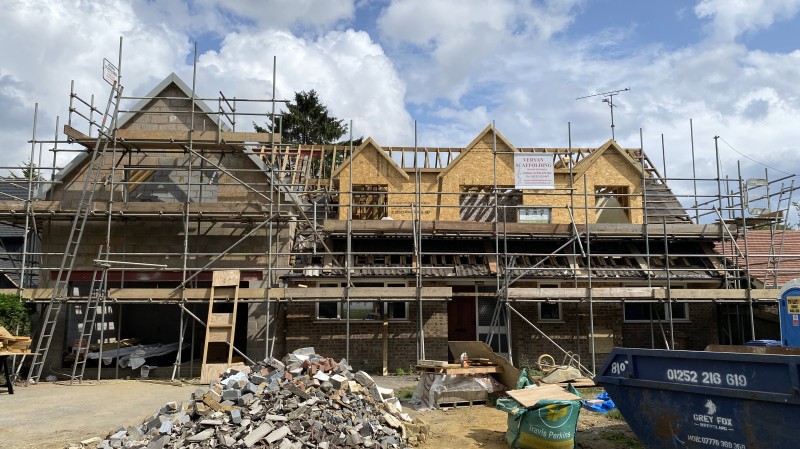
It’s rare but occasionally a confident DIYer with the right skills and plenty of time will roll up their sleeves and build their own extension. “I have come across one man with an old flint property who built the extension himself. He did a really good job and he just called us in to sort the roof out,” says experienced building contractor Grant Harrison, founder of Majengo. But, Harrison adds, DIY home extensions are usually “a right mess.”
Even if you’re not planning to take on the entire project, many homeowners get involved in some of the manual work. Whether it’s basic tasks like site clean-up at the end of the day or painting freshly plastered walls, doing some of the work yourself can reduce costs and help you feel more connected to your build.
But before you reach for your toolbox, think carefully about which tasks are realistically within your skillset.
The good news is that learning construction basics has never been easier, thanks to online tutorials and how-to guides. Skills like bricklaying, tiling, or plastering can be learned but take time and experience to master.
As Harrison points out: “You need to know what you’re doing. There is some good advice out there, for example on Youtube. Obviously, you can save a lot of money because labour is expensive. It takes a huge chunk of the budget – 70 per cent goes on labour and 30 per cent on materials.”
While DIY can be rewarding, it can also create more problems than it solves if things go wrong. If you botch a job, you may need to pay a professional to fix it. DIY builds also tend to progress slowly, partly because of inexperience but also because most people are squeezing work in at weekends. In a worst-case scenario, an extension may remain unfinished for years.
Keep in mind, some elements of construction must be handled by professionals. Electrical work must meet Part P of the Building Regulations and plumbing and drainage systems must also comply with legal standards. You’ll also need to consider things like underground services and existing pipework, which can add complexity.
Foundations, walls and roof need to be a high standard and are best left to an experienced builder. “I would say get a contractor to build the main shell of the building,” says Harrison. But that doesn’t mean you can’t contribute. Here are a few DIY-friendly tasks you might consider:
- Installing ceilings and stud walling if you have the skillset
- Painting and decorating once the build is complete
- Laying flooring, especially click-fit laminate or engineered wood
- Installing stud walling, fitting skirting boards and doors (if you're confident)
- Tiling splashbacks or bathroom walls
- Gardening or landscaping the surrounding area
A bit of DIY can help you stretch your budget and give you a sense of achievement. Just be honest about your limits, and make sure to call in the experts when needed.
Working with a main contractor
For most homeowners, the most popular route is hiring a main contractor (usually referred to as a builder). They will price the whole project based on your plans and manage all aspects of construction, including labour and materials. They might use directly employed staff, subcontract specific trades, for example bricklayer, plumber and electrician, or a combination of both.
Your contract is with the builder, so your level of involvement with trades on site is minimal. That said, construction involves many decisions from colour and size of bricks to tiles and windows. Ideally, you’ll have made these decisions during the design phase but expect to stay involved as the project progresses. Good communication between you and your builder is key. It helps your project stay within budget, on schedule and aligned with your plans.
A reputable builder should deliver a high-quality build with minimal stress for you. However, it will still require active oversight from you or your architect as builders often interpret plans based on their own experiences and preferences.
Managing your own project
An alternative option is managing the build yourself, taking on the role of main contractor. This means hiring individual tradespeople, ordering materials so they are on site when needed and managing logistics. This not only involves being responsible for co-ordinating the different trades but also hiring skips, toilets and heavy equipment. As main contractor, you’ll be legally responsible for health and safety on site and compliance with building regulations, including structural, electrical and plumbing work.
As a self-manager, you’ll need to find a network of tradespeople and negotiate prices with suppliers and builders’ merchants. There are helpful books and online forums to guide you through this process, such as the Housebuilder’s Bible.
The upside? Cost savings of around 10-30% that the main contractor will take. Of course, professional contractors get trade discounts and may be able to employ tradespeople more cheaply and easily with the promise of ongoing work. In short, they’re less likely to get ripped off. “There are a lot of cowboys out there,” says Harrison.
And the downside? It’s time consuming and risky without the right experience or building knowledge.
Design and build
This option might involve a package design and build company. Or more typically, an architect supervising a builder. The design, planning permissions, costings and construction are all handled by professionals. You’ll benefit from less responsibility and professional oversight of the quality of build and scheduling of trades on site to avoid costly delays. Day to day decisions and ensuring the building work is to the required level, on schedule and within budget is the responsibility of the main contractor and architect or the design and build company.
If you are time poor and lacking in building experience, this is the right route for you. On a day-to-day basis it should be relatively stress free. Of course, it’s also the most expensive - professionals need to be paid for their time and expertise. But the end results tend to be high-quality and more reliable.
Extending your home is an exciting opportunity but it’s also a complex and demanding process. Whether you take a hands-on approach, hire a main contractor or leave it entirely to the professionals, the key to successfully managing a project lies in understanding your own strengths and limitations. Hiring a professional team greatly increases your chances of a successful build.
If you are looking to make some home improvements, you may find some of these services useful

Building Regulations
Find details of local experts who can help with Building Regulations
Builders
Find local help with a building project

Architectural Design Services
Find local Architectural Design experts
Structural Inspections
Find an expert to carry out a structural inspection

Building Surveys
I want a local surveyor to do a Building Survey for me

Choose which Architectural service you require
If you are not sure which service you require, check out the options available...