You are here: How to finance your home extension
Seven different ways to fund your dream space
Planning a home extension? Whether it’s a spacious new kitchen, a loft conversion or a whole new room in the basement, a well-designed extension can totally transform how you live – and boost your property’s value. But before the builders arrive, there’s one big decision to make: how are you going to pay for it?
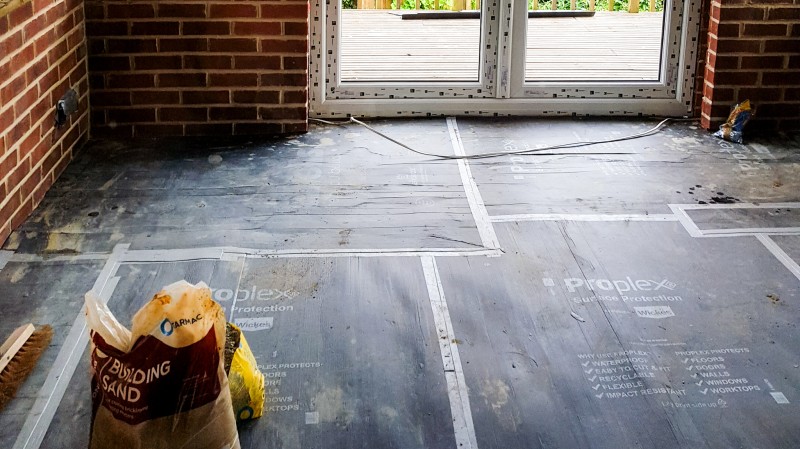
Spend your savings
If you’ve got savings set aside or you have come into some money, using these funds can be the simplest and cheapest way to pay for your extension. You’ll avoid paying interest on a loan or committing to monthly repayments. Just make sure you leave yourself a financial cushion – it’s rarely wise to spend all your savings.
According to Halifax, the average cost of a single storey extension is £1,700-£2,000 per square metre of new internal space, but you may also want to budget for big ticket items like a fitted kitchen. So, a 30 m2 extension (without extras) could cost between £51,000 - £60,000. And an 40m2 extension £68,000 - £80,000.
Meanwhile, Checkatrade estimates the average cost for a 20m2 extension is £48,000. It’s a good idea to add an extra 10% for contingencies.
Remortgage your home
Remortgaging lets you switch to a new lender and borrow more money in the process. This option might enable you to shop around for a better deal, especially if interest rates are reducing. However, watch out for fees and early repayment charges. You’ll also need to have enough equity in your home to borrow against it.
Example: if your home is worth £400,000 and the outstanding balance on your mortgage is £200,000, you might remortgage for £270,000 and use the extra £70,000 to fund your home extension.
Halifax warns: “This method comes with risk, since you’ll borrow money against your home itself, so could lose your home if you miss repayments. You may also need to remortgage during your agreed term.”
Some high street lenders offer an online mortgage calculator to get a rough idea of what you can borrow. To fill it in, you’ll need to know what your current property is worth, the remaining balance on your mortgage, the amount you would like to borrow and length of mortgage.
Borrow more from your current lender
Instead of remortgaging, you could apply for a further loan from your current lender. This is essentially a second, smaller mortgage on your home. It’s a quicker process than switching lenders but you’ll still need to prove you can afford repayments by sharing your monthly income and expenditure details.
This option is worth considering if your current mortgage rate is competitive and you want to avoid remortgaging fees. Additional borrowing can be secured for large sums, to fund a two-storey extension for example, but you need to be confident you’ll be able to keep up the repayments, or your home could be repossessed.
Again, it’s easy to check online if you’re eligible with an online calculator from your mortgage provider. You’ll need to fill in your current property value, remaining mortgage balance, the amount of money you are looking to borrow, length of loan and your income.
If you are lucky enough to have paid off your mortgage, another possible option is to borrow against your mortgage-free property. Of course, this comes with risk as you may lose your home if you can’t keep up with repayments.
Take out an unsecured personal loan
If you don’t like the idea of a second mortgage, a personal loan might be a good fit, especially for smaller projects. This type of loan is unsecured, so you don’t borrow against your property. These loans are largely based on your credit history and usually for amounts up to £50,000.
You might find a loan with a fixed interest rate and a relatively short repayment period.
Example: First Direct offers existing customers loans between £1,000 and £50,000 at 6.9% APR (annual percentage rate) as of March 2025. Borrowing that sum over three years would cost £1,537 per month – and the total amount payable is £55,329
Stretching it to eight years brings down the monthly payments to £675 but you would pay £64,719 in total - nearly £10,000 more.
If you can afford the monthly repayments on top of your mortgage, a personal loan might be more cost-effective than remortgaging over a longer term which means you pay significantly more interest overall.
Pay on a credit card
A credit card can be a handy option for initial costs. However, it’s crucial to choose a card with a 0% or low introductory rate. Halifax explains: “It’s important to be comfortable with repaying the whole amount during the interest-free period, to avoid accruing interest on the money borrowed.”
If you can’t repay the balance before the introductory period ends, you may end up paying high interest, making your project a lot more expensive. Costs can quickly spiral as credit cards charge an APR which can range between 18% and 28% or even higher.
A bonus is that you get Section 75 protection (Consumer Credit Act 1974) on purchases between £100 and £30,000 – useful if something goes wrong with your builder or materials.
Stage mortgage payments
For large scale building projects, this type of borrowing releases funds in stages, usually in advance of the building work.
Self-build mortgages for new homes are often financed this way, but this option can also be useful if you’re renovating a property that isn’t currently habitable, for example lacking a working bathroom or kitchen.
Stage payment mortgages usually require building plans to be approved. Funds are only released as each stage of construction is completed, for example laying foundations.
Specialist lenders like Buildstore and Buildloan offer this type of mortgage as well as some high street lenders. Halifax says: “This type of mortgage is riskier for the lender, as a result they are usually more expensive for the customer.” Working with a mortgage broker may get you a better deal.
Bridging loans for short-term finance
A bridging loan is a short-term loan, usually lasting up to 12 months, secured against your property. It’s often used when you need cash quickly while you’re waiting for funds elsewhere and designed to be paid off as soon as that money becomes available. Rose Hamilton, a senior writer at Money Saving Expert, explains: “Bridging loans are a way to borrow a large amount of money for a short period of time. They’re most commonly used to ‘bridge the gap’ when buying a property, for example, if you need to complete on a purchase before you’ve sold your current home.”
This type of finance is arranged for a short period, usually for only the time required to build the extension. When construction is complete the property can be refinanced with a conventional mortgage. While useful, bridging loans are risky. Hamilton explains “That’s because the loan is secured against an existing property or asset, so – worst case scenario – if you can’t repay the bridging loan, you could lose your home.”
There are many different ways to fund a home extension. The right one for you depends on your individual circumstances, income and the scale of your project. What’s important is to be aware of the different options so you can make an informed choice. Before signing on the dotted line, it’s good idea to speak with an independent financial adviser or mortgage broker.
If you are looking to make some home improvements, you may find some of these services useful

Building Regulations
Find details of local experts who can help with Building Regulations

Builders
Find local help with a building project
Architectural Design Services
Find local Architectural Design experts
Structural Inspections
Find an expert to carry out a structural inspection

Building Surveys
I want a local surveyor to do a Building Survey for me

Choose which Architectural service you require
If you are not sure which service you require, check out the options available...