You are here: Rights to Natural Light
What does it mean for home extensions?
Ask any estate agent and they will tell you homes with rooms bathed in natural light will sell faster than dimly lit properties. Natural light doesn’t just enhance the appeal of a home; it’s also vital for the wellbeing of those who live and work inside. “Natural light inside buildings is immensely important for comfortable living and working. We like and want natural light in our kitchens and at our desks; people like to have a window seat and most people thoroughly dislike a windowless room,” states the Law Commission’s ‘Rights to Light’ report. The law recognises the importance of access to natural light in properties while balancing the rights of the developer.
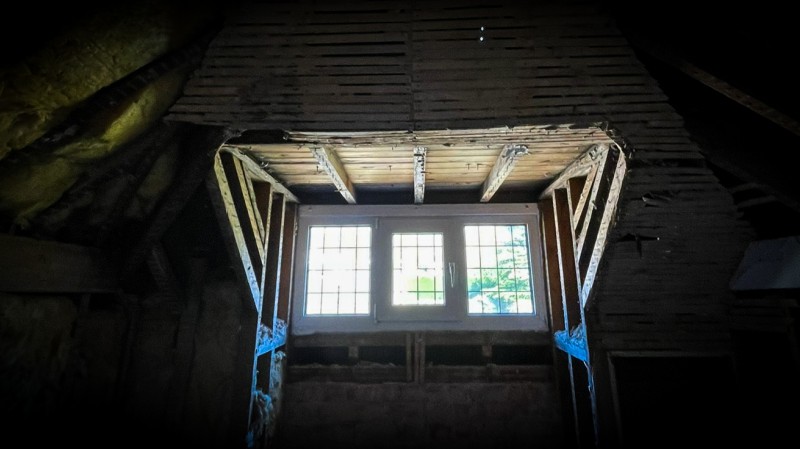
Understanding the Right to Light
According to Smith Marston, specialist surveyors, even minor house extensions can spark right-to-light disputes. For example, a homeowner may start building a modest side extension only to discover midway that the new structure infringes on a neighbour’s right to light. This area of property law is often overlooked by surveyors, architects and planning officers and as a result a scheme can pass through the design, drawing and tendering phase without anybody considering legal rights of light. “We are regularly involved with projects where exactly this has happened,” says Smith Marston. Even with planning permission, a project that adversely affects a neighbour’s light can still be subject to legal challenge, potentially leading to injunctions, redesigns or costly compensation payment, notes the Royal Institution of Chartered Surveyors (RICS).
Acquiring a Right to Light
There is no general right to light. In the UK, the right to light is part of English property law, specifically the Prescription Act 1832. A property can acquire this private right if its windows or openings have enjoyed uninterrupted access to natural light for 20 years. But if the light is obstructed for a year before the 20-year period is up, no rights exist. This interruption may be a hoarding or a new building, for example. Alternatively, under the Right of Light Act 1959, it is possible to serve a Light Obstruction Notice, which has the effect of causing an interruption without the need for a physical obstruction. Once the notice has been served, the neighbours have one year to assert their right to light. If the notice remains unchallenged, the right of light is interrupted, and the clock is turned back to zero.
Properties with “ancient lights” have a strong legal basis for protecting their right to light. The standard measure of determining whether a right to light could be infringed is the 50:50 rule. If light within a room is reduced to less than 50% of the original amount, a legal injury has occurred. Other ways to obtain a legal right to light include express grant or implied grant which can immediately grant a new building a right of light.
Impact on planning applications
When local authorities decide planning applications, they must consider how the new build or expansion will impact neighbouring properties. A council will usually only approve a planning application if it doesn’t have an adverse impact on daylight and sunlight to neighbouring properties, according to Right of Light Consulting, a firm of chartered surveyors. Although the Right to Light is a legal issue rather than a planning concern, the two often overlap.
Councils typically use guidelines from the Building Research Establishment (BRE) to assess the impact of new development proposals on light levels. The tests are set out in the BRE document, ‘Site Layout Planning for Daylight and Sunlight: A guide to good practice (2022).’ The tests include:
- The 25-degree test: this checks if a proposed building blocks light by drawing a line at a 25-degree angle from the midpoint of the lowest window. If the building stays below this line, adequate light is maintained.
- The 45-degree test: applied both in plan and elevation, this test assesses whether a proposed new building overshadows neighbouring property. If the structure breaches the 45-degree line, it could obstruct the light.
If either test indicates a potential problem, more detailed assessments of daylight and assessments will help determine how much light will be lost due to the proposed development. Be aware even if an extension or new build receives planning permission, it doesn’t override the right to light. A neighbour can still seek an injunction or compensation if their natural light is adversely affected. This can lead to delays, additional costs or even redesigns.
Right to Light Report
Before embarking on a project that might affect a neighbour’s natural light, consider consulting a right to light surveyor. Whether you’re planning a side extension, adding another storey or raising a boundary wall, early assessment of potential risks can help you avoid expensive changes later. A right to light survey is a detailed evaluation of how a construction project might affect a property’s natural light. It typically includes a property inspection to assess current access to natural light and daylight calculations to gauge the potential impact of your project. If the survey indicates that your addition will infringe on a neighbour’s right to light, you might need to change your design - reducing the building’s height, altering its layout or repositioning it on the site.
Neighbours may be willing to negotiate a settlement which is often preferable to legal action which can be time-consuming and costly for both sides, say experts.
Daylight and sunlight reports
Right to Light surveys differ to daylight or sunlight assessments which typically only focus on habitable rooms. Right to light surveys, however, can apply to any room or space, including bathrooms, garages and stairwells. Surveyors use various methods to measure the potential impact of a new development including-
- Vertical Sky Component Vertical Sky (VSC): This measures the amount of visible sky from the centre of a window. A significant reduction in VSC due to a new development could indicate a breach of the Right to Light.
- Daylight distribution: These assess how light is distributed across a room, taking into account factors like window size, room dimensions and the presence of external obstructions.
These detailed reports can be used in negotiations or as evidence in legal proceeding.
The Right to Light is an important principle of property law in the UK. If your building project might infringe this right, seeking expert legal and surveying advice early in the planning process can help reduce risk, avoid costly disputes and ensure your build proceeds smoothly.
If you are looking to make some home improvements, you may find some of these services useful
Building Regulations
Find details of local experts who can help with Building Regulations

Builders
Find local help with a building project

Architectural Design Services
Find local Architectural Design experts

Structural Inspections
Find an expert to carry out a structural inspection

Building Surveys
I want a local surveyor to do a Building Survey for me
Choose which Architectural service you require
If you are not sure which service you require, check out the options available...