You are here: How much do building plots cost?
A key step in achieving a self-build home
Have you ever dreamed of designing and building your own home from scratch? If so, one of the first steps on your self-build journey is finding and budgeting for a suitable plot of land. But how much does a building plot actually cost?
The answer isn’t simple - valuing land is far from an exact science. As the Kiesel Group puts it: “Ask a dozen different people to value a building plot and you’re likely to get twelve different answers.” That’s because plot values can vary hugely depending on location, size, planning status and value of the finished property it can support.
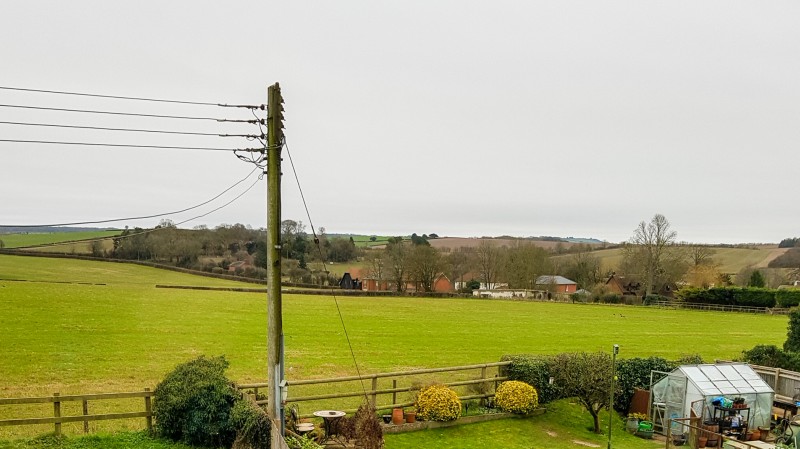
What is a building plot?
A building plot is a parcel of land suitable for development, usually one that has (or had the potential to gain) planning permission. The type of planning permission is key: full permission significantly boosts a plot’s value, while land with only outline permission – or none at all – is generally worth less.
John Leeson, managing director of Winchester-based Belgarum estate agents, explains: “Planning permission makes a big difference. It solidifies the building plot value. Otherwise, it might just be garden land or have a hope value.”
Land without planning permission is cheaper as it comes with the risk that planning permission may be refused. On the other hand, land with full planning permission tends to command a premium and has broader buyer appeal.
A plot also needs access to essential services like water, drainage, and electricity. Without these, developing the site may be impractical and the value drops significantly.
So, what does a plot cost?
Plot prices can vary hugely from around £40,000 for a small, rural plot to more than £1m in high-demand urban areas. Generally, more affordable plots are found in areas with lower house prices, such as the north of England, Northern Ireland, Wales or Scotland. These plots offer more space for your money but may come with fewer local services, infrastructure or employment opportunities.
At the other end of the scale, plots in London, the south-east of England or affluent rural areas like the Cotswolds and parts of Cheshire are far more expensive. Here land is scarce, and competition is fierce, so even small “infill plots” squeezed between existing buildings can sell for hundreds of thousands of pounds.
Property in commuter belt cities, like Winchester or Guildford, is expensive. Meanwhile in places beyond commutable distance, demand tends to fall. However, some exceptions – such as Bath and York – still fetch higher prices due to their popularity.
In many parts of the east of England, the Midlands and the south-west, land is more affordable. Plots can be found for £150,000-£250,000.
How is a plot valued?
A building plot’s value is often calculated based on a simple equation. Value of the completed house minus building costs is equal to what the land is worth.
Traditionally, a quick rule of thumb was to allow one third of your budget for the land, one third for construction and one third for profit. However, as Leeson notes: “You’d be lucky to get a third for profit these days – land and building costs are so high.”
If you’re a private self-builder rather than a developer, profit isn’t your primary concern but it’s still vital to understand the numbers. According to property experts at the Kiesel Group: “Knowledge is the key to estimating the value you could achieve on the completed buildings and unlocking the potential of a plot of land.”
This means doing your homework: look at that similar homes in the area are selling for, then factor in your building costs, including planning, design and legal fees.
Key factors that influence plot value
Location, location, location
Desirability drives prices. Plots near good schools, transport links and local services command a premium whether in a chocolate box village or convenient suburb. More remote plots might seem idyllic, but often lack services, so are more affordable. In short, the more desirable the area and the more amenities, the higher the price.
Planning potential & availability of land
Built-up areas may have limited space, but strong demand means even a tiny plot can be valuable, especially if planning permission is already secured. In contrast, rural areas are subject to stricter planning policies that limit development, especially in protected areas like national parks, Areas of Outstanding Natural Beauty (AONB) or Sites of Special Scientific Interest (SSSIs).
Supply and demand
If there are few plots available – particularly in desirable areas – expect stiff competition and high prices. Conversely in areas where land is more plentiful and demand is lower, plots are more affordable.
Legal and environmental issues
Other factors that may affect the value of the building plot – and the cost of building on it, include:-
Contaminated land requires work to make it safe for development. This involves expensive site surveys and removal of contaminated soil. For example, if the land was previously used for a petrol station, chicken farm or a rubbish dump.
If the building plot is in a high-risk flood area it can reduce the chances of planning approval and increase costs of insurance of finished buildings.
Rights of way disputes or restrictive covenants can derail plans.
Planning constraints can limit development, such as Tree Protection Orders (TPOs), heritage or archaeological designations.
Difficult neighbours or a history of objections can slow down or complicate a project. This may require hiring planning consultants to navigate the system.
Building costs
Building costs vary across the UK but possibly not as much as you might think. According to the Kisiel Group, how much you spend will broadly depend on the site, the build specification and your design choices.
Here are a few things to bear in mind that can cause extra development costs.
- Ground conditions – sloping land may require levelling, involving expensive earthworks, adding to building costs.
- Lack of access to site – physical barriers or Highways Department restrictions.
- Planning fees, preparation of planning applications, infrastructure charges and CIL (Community Infrastructure Levy) – set during the planning process.
- High specification vs functional finishes.
- Project delays from inexperienced project management
Get professional advice
Before purchasing, research past planning approvals and refusals. Look for local architects with a good track record for negotiating with the local planning authority and securing permissions. It’s worth speaking with them at the earliest stages for expert advice.
If you have a clear concept in your mind and hire an experienced architect who knows the planning environment, you will be able to take a realistic view of what you can achieve and end value. As the Kisiel Group advises: “Before you commit to a purchase, it’s advisable to undertake a feasibility study which focuses on the profitability and provides a check against assumptions you have made about the land value.”
How to reduce the cost of a building plot
There are ways to find a bargain plot.
Look off market
Plots that are already marketed for building usually have a high price tag. But if you identify land yourself -like a large back garden that could be split – you might find a bargain. Try using tools like Google maps and local planning portals to spot potential opportunities.
Consider land without planning permission
Land without planning permission is usually cheaper but comes with more risk. Negotiate an option agreement which gives you the right (but not the obligation) to buy the land for a predetermined price if planning permission is secured. This means the landowner can’t hike the price or sell to someone else if consent is secured. Be aware developing a design and securing planning consent could cost £10,000-plus, so make sure the deal is worth the risk.
Consider demolish and rebuild
Buying a small property – like an old bungalow on a generous plot – can offer potential for development. You may be able to demolish and build something larger or subdivide the garden for multiple homes, subject to planning approval.
Be flexible on location
Expanding your search to areas with lower demand can increase your buying power. Leeson says: “We come across people looking for plots around Winchester and end up buying in Wiltshire or other neighbouring counties where you get more bang for your buck.”
Team up with others
Consider teaming up with friends or family or other self-builders to buy a larger parcel of land to help cut costs. However, Leeson cautions multi-owners purchases can be “tricky” due to competing agendas. Deals are more likely to fall through, he suggests.
Whether you’re planning your dream forever home or a smart investment, buying a building plot is a major investment. Do your research, get professional advice and stay realistic about your goals and budget. With the right approach, you can make your plot purchase a successful one.
If you are looking to make some home improvements, you may find some of these services useful

Building Regulations
Find details of local experts who can help with Building Regulations

Builders
Find local help with a building project
Architectural Design Services
Find local Architectural Design experts
Structural Inspections
Find an expert to carry out a structural inspection

Building Surveys
I want a local surveyor to do a Building Survey for me

Choose which Architectural service you require
If you are not sure which service you require, check out the options available...